
Key takeaways
- Funds that track the major benchmarks will be required by their own rules to buy SpaceX after it lists. The decision is mechanical, not discretionary.
- Every Nasdaq-100 fund has to sell a small slice of all its existing holdings to fund the purchase.
- A float of roughly 5%, combined with weighting of up to three times float, pushes required buyers into scarce supply. Even if SpaceX trades flat, a cap-weighted fund would sell diversified holdings to concentrate in one expensive name, and telegraphed index trades can cost passive investors around 23 basis points a year.
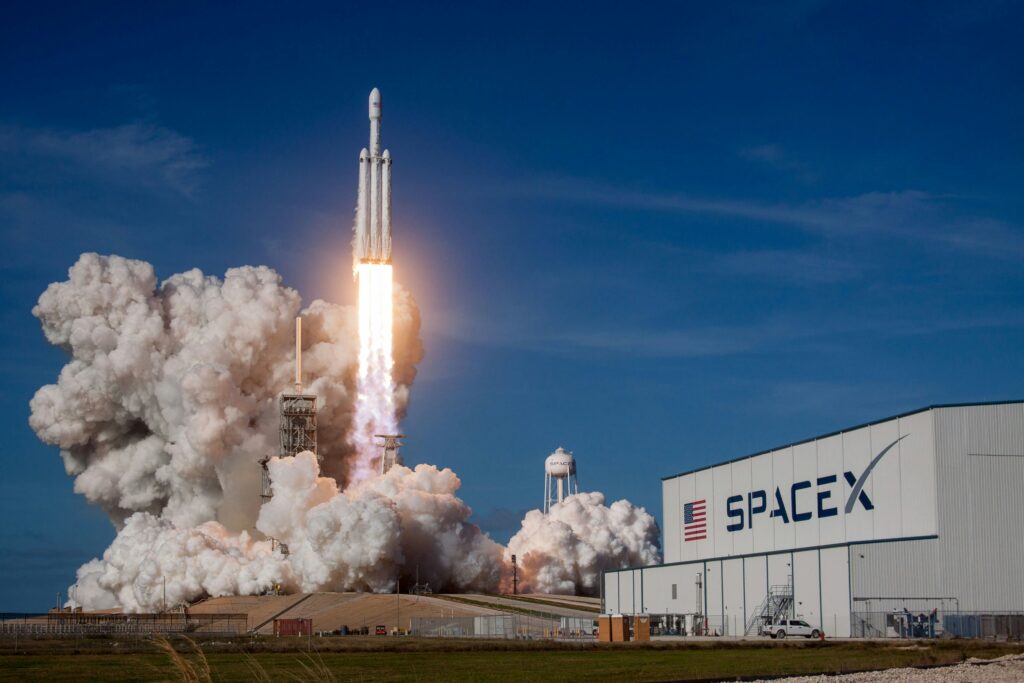
An independent analyst already values SpaceX at about half of what the company plans to ask for at its market debut. Morningstar initiated coverage in June 2026 with a fair value estimate near $780 billion, roughly 48% below the company’s recent private valuation and well under its reported IPO target, and called the stock significantly overvalued. That has not slowed the deal. SpaceX plans to list on the Nasdaq in June 2026 under the ticker SPCX, targeting a valuation near $1.75 trillion and a fundraise that could exceed $75 billion, which would rank as the largest IPO on record. For anyone who owns an index fund, the more pressing detail is what happens automatically. Funds that track the major benchmarks will not decide whether to buy SpaceX. Their rules will require it. In plain terms, index funds must buy SpaceX regardless of valuation, selling small pieces of the holdings they already own to make room on a schedule that is public in advance. The mechanics are more rigid than most people expect, and an equal-weighted approach handles the same event very differently.
How a giant listing forces index funds to trade
An index fund promises to mirror a benchmark. When the benchmark changes, the fund follows, automatically. More than $30 trillion sits benchmarked to the major indexes, so the arrival of a single large company pulls in an enormous amount of required buying. SpaceX would enter as one of the biggest members of its index from day one, which means the purchases the rules demand are large too.
The size of the deal has already drawn scrutiny beyond Wall Street. An investor group that advises union pension funds wrote to the SEC in May 2026, asking regulators to examine the filing closely because the listing would bring many investors into the stock whether or not they want the exposure. That concern sits right at the center of the mechanics below.
Why fast entry spreads the selling across the index
Index providers rewrote their entry rules ahead of this wave of large listings, and the Nasdaq version produces the cleanest example. Under a fast-entry rule, a newly listed company that ranks among the very largest joins the Nasdaq 100 roughly 15 trading days after its debut, with no profitability test to pass. SpaceX would clear that bar at once.
Here is the part that matters most. A cap-weighted fund is fully invested, so buying any new addition means selling something to raise the cash. Fast entry decides what gets sold. It adds SpaceX without removing an existing company, so the index briefly holds more than 100 names. With no deletion to fund the purchase, every Nasdaq 100 fund trims a proportional slice of all the companies it already holds. SpaceX is large enough that no single removal would have covered it in any case. That is forced selling of everything else, executed to make room for one stock.
Funds that track the S&P 500 sit this one out for now, because that index still requires positive earnings before a company can join. The difference shows that index membership follows written rules, and those rules vary from one provider to the next.
How a thin float magnifies the buying
SpaceX plans to offer only about 5% of its shares at the IPO, a small slice for a company of this size. Two forces then collide. Funds are required to buy a benchmark-sized position, and Nasdaq now allows low-float names to be weighted at up to three times their actual float, a change from straightforward float-adjusted weighting. The result pushes required buyers toward more shares than the freely trading supply would comfortably support.
Coverage of the deal describes a wave of buyers who must match their benchmark regardless of price, with larger weightings creating larger required demand. Phased insider lock-up releases and a dual-class share structure add further complications to that supply over time.
What cap weighting quietly commits you to
The cost of all this does not depend on SpaceX rising or falling. Index funds publish their required trades in advance through the rules, which lets faster traders buy first and then sell to the funds at less favorable prices. Morningstar research has estimated that this anticipation can cost passive investors on the order of 23 basis points a year. Studies of index rebalancing; have documented the same pattern, with other participants positioning ahead of the scheduled flows.
Consider what that means in practice. Even if SpaceX trades flat through the entire period when it enters the index, a cap-weighted fund has still sold a diversified slice of the market and parked the proceeds in one expensive, low-float company it never chose to size that way. If the rest of the market keeps compounding while that position sits still, the fund gives up return in proportion to the weight it was forced to hold.
The valuation question sharpens the point. SpaceX reported a 2025 GAAP net loss near $4.94 billion, even with positive results on some adjusted measures, and Morningstar’s fair-value estimate, noted above, lands at roughly half the offering price. A cap-weighted index fund would buy it anyway, at the weight the rules assign.
How equal weighting avoids forced buying
An equal-weighted strategy approaches the same event differently by design. It assigns each holding the same small share, so a newcomer like SpaceX would receive roughly the same slice as any other name rather than a position scaled to a valuation near two trillion dollars. The required trade shrinks to a small, even adjustment, and the strategy never becomes a large, telegraphed buyer of a scarce stock.
This is the logic behind the quantitative, equal-weighted strategy we run at Magnifina. We size positions by systematic rule rather than by market capitalization, so no single company commands an outsized share of a portfolio simply because the market has bid up its price. That same discipline keeps a forced, rule-driven listing from dictating how much of any one stock our clients hold.
Equal weighting also rebalances toward companies that have lagged and away from recent winners, which differs from the way cap weighting keeps adding to whatever has already climbed. That distinction matters more after stretches of heavy concentration. The top 10 companies in the S&P 500 reached a record near 40% of the index in 2025, and cap weighting beat equal weighting by about 32% over the three years through the end of 2025, the widest such gap on record. After past concentration peaks, equal weighting has tended to recover ground as market breadth returns.
What this means for your portfolio
Index investing feels passive, yet the weighting of a portfolio is itself a decision. A cap-weighted index investor is, in effect, agreeing to become a forced buyer of companies like SpaceX at a size that rules set rather than value. Many people carry this exposure without realizing it, often through target-date funds, which Cerulli expects to hold about 46% of 401(k) assets by 2027.
At Magnifina, we built our approach around that idea. Alongside the equal-weighted strategy described above, we invest in individual stocks with a deliberate focus on business fundamentals and valuation, and we offer comprehensive financial planning that weighs your whole picture rather than a single benchmark.
See if we’re a good fit. It only takes four quick questions to get started. Start here →
SpaceX Indexing FAQ
Will index funds be forced to buy SpaceX?
Yes, in effect. Funds that track major benchmarks like the Nasdaq-100 follow their index’s rules automatically. Once SpaceX qualifies for inclusion, those funds are required to buy it, regardless of what any manager thinks of the price. The buying is mechanical rather than a judgment call.
When does SpaceX join the Nasdaq-100?
Under Nasdaq’s fast-entry rule, a newly listed company that ranks among the very largest joins the index about 15 trading days after it begins trading, with no profitability test to pass. SpaceX would clear that threshold right away given its size.
Is SpaceX overvalued at its IPO valuation?
That depends on who you ask, and investors should reach their own conclusions. Morningstar initiated coverage with a fair-value estimate near $780 billion, roughly half the reported $1.75 trillion IPO target, and described the stock as significantly overvalued. Index funds would still buy it at the weight the rules assign.
Does the SpaceX IPO affect my 401(k)?
It can, indirectly. Many retirement savers hold benchmark exposure through target-date funds, which Cerulli expects to hold about 46% of 401(k) assets by 2027. If those funds track an index that adds SpaceX, the forced buying reaches that exposure without the saver choosing it.
How does equal weighting change the outcome?
Equal weighting gives every holding the same small share. SpaceX would receive roughly the same slice as any other company rather than a position scaled to a valuation near two trillion dollars. The required trade becomes a small, even adjustment, so the fund never turns into a forced, telegraphed buyer of a low-float stock.